MEDICINA DE PLANTAS
The antiseptic and antimicrobial properties of plants
In January, voices with disgruntled tones began to be heard: "you'll see what's going to hit us," it was rumoured. "We won't be able to care for animals properly," they said...
A stir was brewing in the veterinary field. This partly sounded familiar to me because various members of my veterinary team had already been warning me of changes dictated by Health and the European Medicine Law for years.
I am the vice president of the Trifolium Foundation, responsible since 1998 for the health and wellbeing of the animals in our care, so I know that this story starts in 2017 when we began to have to fill out prescriptions for each box of medicine, even for chronic conditions, and our veterinarians had to sign each one with their seal and registration number so we could place orders with pharmaceutical distributors. A bit later, the requirement to use only veterinary products for animals came in, even though human-use formulas were identical and cheaper. The generic drugs that significantly reduced the foundation's costs to medicate the 200 animals we then had also stopped being produced and we had to assume increased veterinary bills, understanding that from the upper administrative levels, they were gradually implementing a program that strictly regulates the use and abuse of drugs and chemicals, especially antibiotics.
From European and global organisations, the term “One Health” was created in the year 2000, and even then efforts were unified to combat the problem of antimicrobial resistance, known by the term RAM - resistance of antimicrobials. It was in 2015 that a global health summit proposed an action plan to assess the state of and how to combat what the WHO in 2019 qualifies as one of the Top 10 global threats, and the European Commission in 2022, as one of the top three threats. That is, there is increasing urgency to curb resistance to substances that can control microbes (antibiotics and others). Up to here, many regulations are understandable and I fully support them.
I have always been very firm in my opinion regarding the misuse and abuse of chemical substances, whether they be drugs, insecticides, dewormers, or biocides. I have always been concerned about the delicate balance of biodiversity and the environment, which is why I have limited their use whenever I could find a natural and less aggressive alternative or one that restored the balance of the terrain (organism or environment). In the care of animals and the surroundings, in my home for my animals and myself, the priority is as natural as possible, and this has motivated me for decades to disseminate knowledge about biologically appropriate natural nutrition for each species, the powerful properties of plants, and traditional medicines such as acupuncture and homeopathy to provide valid and healthy tools to professionals and users in the animal sector.
In this timeline that I recount to provide context for what I propose later on, a regulation is added within this medicine control plan that affects compounded formulas. These can no longer be prepared as long as there is a commercial veterinary product that is "similar" and has comparable effectiveness. Although I believe the control of drugs is fair and necessary, some aspects of this Royal Decree may seem cumbersome and absurd.
This is the case with the launch of the PRESVET digital platform in January of this year. This digital registration service to monitor the administration of veterinary medicines has been created without involving the pet veterinarians. This group also complains about the lack of communication regarding its use and that some of the measures related to the strict use of this platform are not justified, with threats of sanctions for non-compliance. While for livestock vets, for whom this measure was originally created as they are the group that uses the most antibiotics in the sector, using PRESVET is less effort as entire groups of animals are usually medicated. In the case of pet veterinarians, bureaucracy becomes more complicated. A vet may see between 15-20 patients a day.
Filling out digital forms and proceeding to medicate poses an almost unfeasible effort for a small clinic or a self-employed mobile vet. This level of bureaucracy for a professional becomes a serious issue in being effective in serving their clients. Not having created an agile and easy-to-use system, the threat of sanctions, and the lack of communication has been the straw that broke the camel's back in the veterinary sector. With this turmoil, distorted rumours and news have put the public in panic, and vets at war with the system.
CHEMICAL ADDICTS
What this chaos has revealed is a clear dependency of the medical system in general on chemicals and drugs. It also highlights the alarm triggered by the indiscriminate use of antimicrobial products with the aggravating factor of an increasing resistance to antibiotics and other antimicrobials in general.
The inefficacy of the oldest and broad-spectrum ones means resorting to the most modern and powerful to combat infections/infestations. These should be reserved for the most serious or urgent situations, but due to the ineffectiveness of the former, the latter are being used more than desired. We have become accustomed to treating simple infections of ears, urine, wounds, eczema, conjunctivitis, skin irritations, diarrhoea, etc., with antibiotic products as a first line of action. In most cases, they are prescribed without prior culture of the bacteria to verify the effectiveness of the product to be administered. Natural products or methods are not considered or prescribed. These have almost completely disappeared in the veterinary field.
Who treats conjunctivitis today with infusions of chamomile, thyme, or eyebright?
Who prescribes vitamin C, thyme, and cranberries for a urinary infection?
Or who washes a wound with effective microorganisms, diluted apple cider vinegar, colloidal silver, or makes poultices with clay and applies aloe vera gel for a wound or eczema?
There are only a few people and a handful of vets who decide to learn beyond our conventional training to apply other methods and traditional medicines in our animal care practices and vets in their clinical repertoires. This is largely due to a fierce campaign waged against the medicine of the time, mainly based on Homeopathy (Hannemann) and Phytotherapy (plant medicine) between the '30s and '50s of the last century.
During that era, the oil industry emerged, and with it, the chemical industry. From the derivatives of this industry, chemical pharmacy was born, what we now consider conventional medicine accepted by science. Much of what lies outside this pharmaceutical and clinical industry is no longer considered valid and effective treatment.
Only recently have medicines like acupuncture and homeopathy started to be recognised by the World Health Organization, along with some plant remedies like CBD, Sweet Wormwood (Artemisia Annua), but even these are banned in Spain—CBD for animals and Artemisia for humans—due to the "lack of sufficient scientific evidence" according to the agencies regulating supplements and medicines. As a professional, you might be considered reckless in your medical judgement if you prescribe plants over pharmaceuticals and risk being laughed at or having your competence or professional judgement questioned by clients or colleagues. You could end up being judged or reported for practising pseudoscience.
We have become a society completely addicted to a medical system based on chemicals. Cognitive dissonance is widespread, and few professionals or users dare to act from an Integrative Medicine perspective. In this dogmatic paradigm that punishes those who turn to natural pharmacopeia or treatments with techniques not recognised by science.
However, this chemical-based system is not sustainable, and as we have seen, it is beginning to require strict control measures to curb these resistances, side effects, iatrogenic deaths (caused by drug reactions) and the environmental pollution they cause. The destruction of the microbiota of animals and people by these chemical agents carries a burden of inflammatory and metabolic problems that we see on epidemic levels in modern society.
The equestrian world finds itself in a similar situation. Horses suffer health issues that have been normalised in recent decades. But no, they are not normal. Colic, laminitis, Cushing's, hyperinsulinemia (EMS), arthritis, ligament tears, lameness, allergies, and idiopathic asthma are just a few manifestations of a system that recommends vaccinating every 6 months, deworming every 3, spraying with insecticide sprays, and treating with corticosteroids and antibiotics to alleviate all the consequences derived from a lifestyle that does not enhance health, despite having equine health and welfare as the goal. It's a vicious cycle. Horses are caught in a medication spiral and chronic dysbiosis.
Individuals and professionals who study at universities understand that chemistry is what helps us keep horses healthy. There's some truth to it, but the excess to which we subject animals recently can only be poisoning our beloved horses.
LOVES THAT KILL
A few years ago, I wrote an article for another magazine titled: Loves That Kill. I was referring to the loving path of good intention we follow, those of us who care for and have animals, in which, in our eagerness to care for them as best as possible, we err by overdoing those cares when they are based on chemicals. A good owner or professional must schedule and manage these substances to be considered as such. In that well-intentioned feeling, we act overly and submit the animal to a process of chronic suffering for the being we say we love so much. Our relationship with our horses becomes toxic, literally. And when a Royal Decree comes out seeking strict control of the toxic substances we use addictively, we go crazy because they take away our drugs, literally.
THE TREND TOWARDS THE NATURAL
Wow! How powerful to read these lines while I write this, and understand the severity of the problem. However, despite presenting a picture that may shake some consciences and provoke some reactions of rejection, there is still a good solution to all this. There is a path towards Integrative Medicine that proposes a holistic approach in the care of our horses. THE TAO, the middle way, moderation has always been the wisest path. Finding the middle point in ways of acting can be a good solution. Making room for plant remedies, homeopathy, and other valid and effective medicines and techniques in the veterinary field is the future.
Neither too much chemistry nor too much dogma. It is possible to stop being so dependent on medicines as we do now. It is precisely those remedies, methods, and medicines we left behind that regain relevance in this moment of crisis and chaos. It is possible to treat common ailments with plants, homeopathic remedies, and traditional recipes. Natural medicine leaps onto the stage in this theatre that until recently was starred by pharmaceuticals, universities, and veterinary colleges. The urgency to look again in this direction to encourage people to take the reins of their horses' health and nutrition is brought back to the table. We must encourage our veterinarians to choose Integrative Medicine and train in other modalities.
There is already a generation of pioneering veterinarians who paved the way and give voice and experience to a health system that considers caring for the microbiota as a first priority, reducing the use of substances that destroy it. The horse's microbiome is its first line of defence, forming a large part of its immune system. As a second priority, it is necessary to train in phytotherapy, homeopathy, and some other natural medicines so that therapists, users, and veterinarians can work together and move away from chemistry as much as possible. Only in this way can the escalation of resistance and the spiral of symptoms arising from a stage of abuse of these toxic substances be halted. Biologically appropriate feeding for the equine species; that is, a natural diet as close as possible to its nature as a large herbivore will have to be considered as the best measure to strengthen its immune system. For this, horses need access to bioavailable nutrients their system can absorb. A horse fed on a biologically appropriate diet will be healthy and balanced. It will need little veterinary intervention because its system will be more capable of achieving homeostasis.
This highlights the need to move away from synthetic products manufactured in laboratories and processed in extrusion plants. Commercial feed companies have already started discovering elements in their products that cause inflammation and are developing new formulas with ingredients more suitable for the horse's digestive system that favour the microbiota and include plants with medicinal properties.
FROM THE MEADOW TO THE FEEDER: Put its medicine in its food
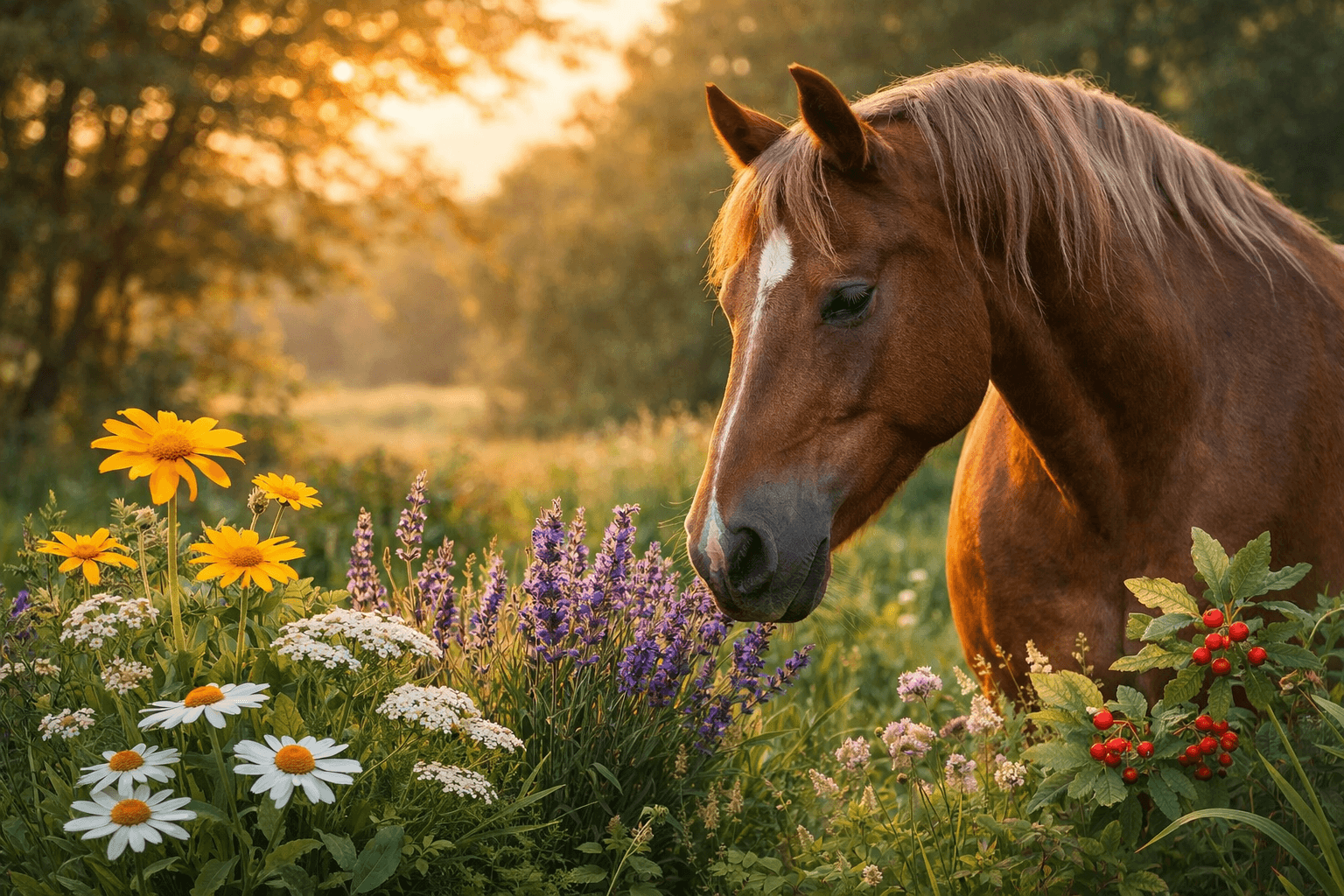
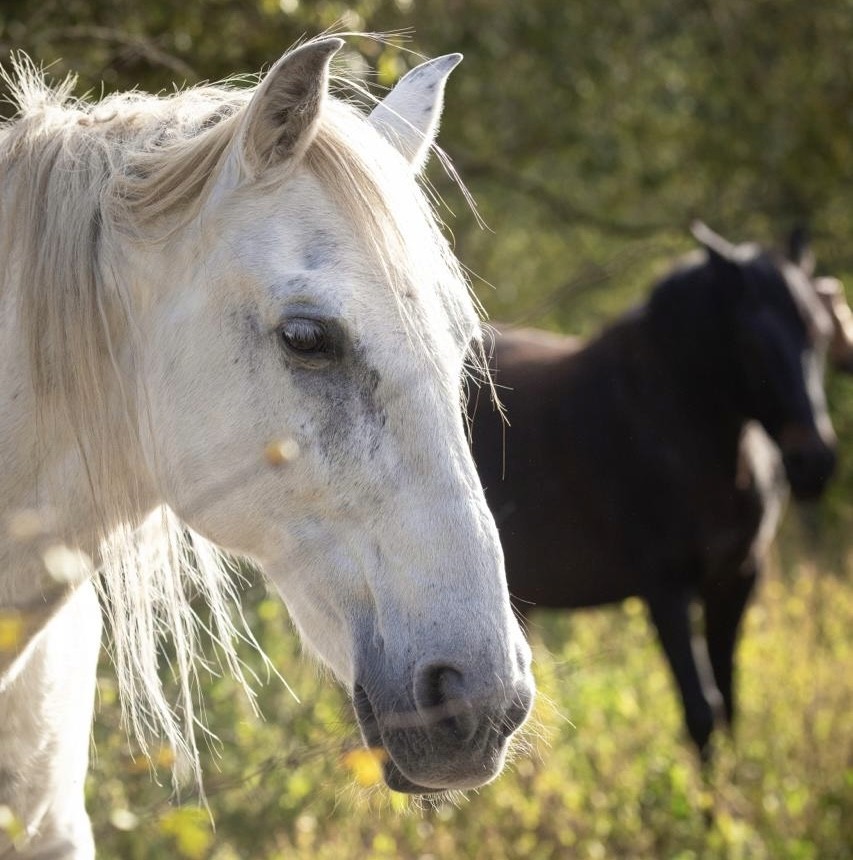
In the years that I have been observing horses eating in different environments, I have been able to deduce how horses that live in semi-freedom and have access to wild meadows always display better health than those that live in stables or confined paddocks. Rare are the colics, allergies, asthma, lameness enjoying long years of well-being. Undoubtedly, the sedentary life with synthetic feeding undermines the health of those who were born to graze in the great plains. Observing horses eat for over 25 years, I have no doubt that the plants they have access to in wild meadows contribute with their medicinal properties to maintaining that permanent state of health. They don't catch colds, suffer from parasite infestations, colic, asthma, Cushing, or EMS, or laminitis. Their companions in equestrian centres, however, suffer from everything and require constant veterinary assistance, treatments, and deworming. In these centres, behavioural problems and colics are the order of the day, when they reach a certain age, inflammations, and metabolic issues appear. They are considered old at age 16-18.
What is missing in these places where they are cared for much more than when they roam freely on their own?
In the three projects managed by Horse Life Experience where horses are maintained in different rotational grazing management models in a regenerative key in wild meadows (not cultivated or planted), the experience has led me to understand that horses practice pharmacognosy, the ability to know the properties of plants and draw on some or others to prevent and treat themselves with them. Throughout these years, working to disseminate this empirical knowledge, I have written books and articles and through the Trifolium Foundation and Horse Life Experience we organize activities and training to disseminate and share this experience with therapists, veterinarians, and private users for the benefit of horses and companion animals in general. Having turned the horse into a domestic animal, our responsibility lies in seeking to give it the best living conditions to be healthy and enjoy its life with us. It's not enough to just give it “something” to eat and take it out for exercise. This is a very limited view of true well-being. We know today that 80% of horses suffer from gastric ulcers among other digestive inflammations that cause them discomfort. In my opinion, this cannot be accepted and resolved with pharmaceutical products. It requires a lifestyle change and reinventing nutrition so its system does not burn its own intestinal mucosa, and a model of veterinary care that includes the use of medicinal plants and natural therapies.
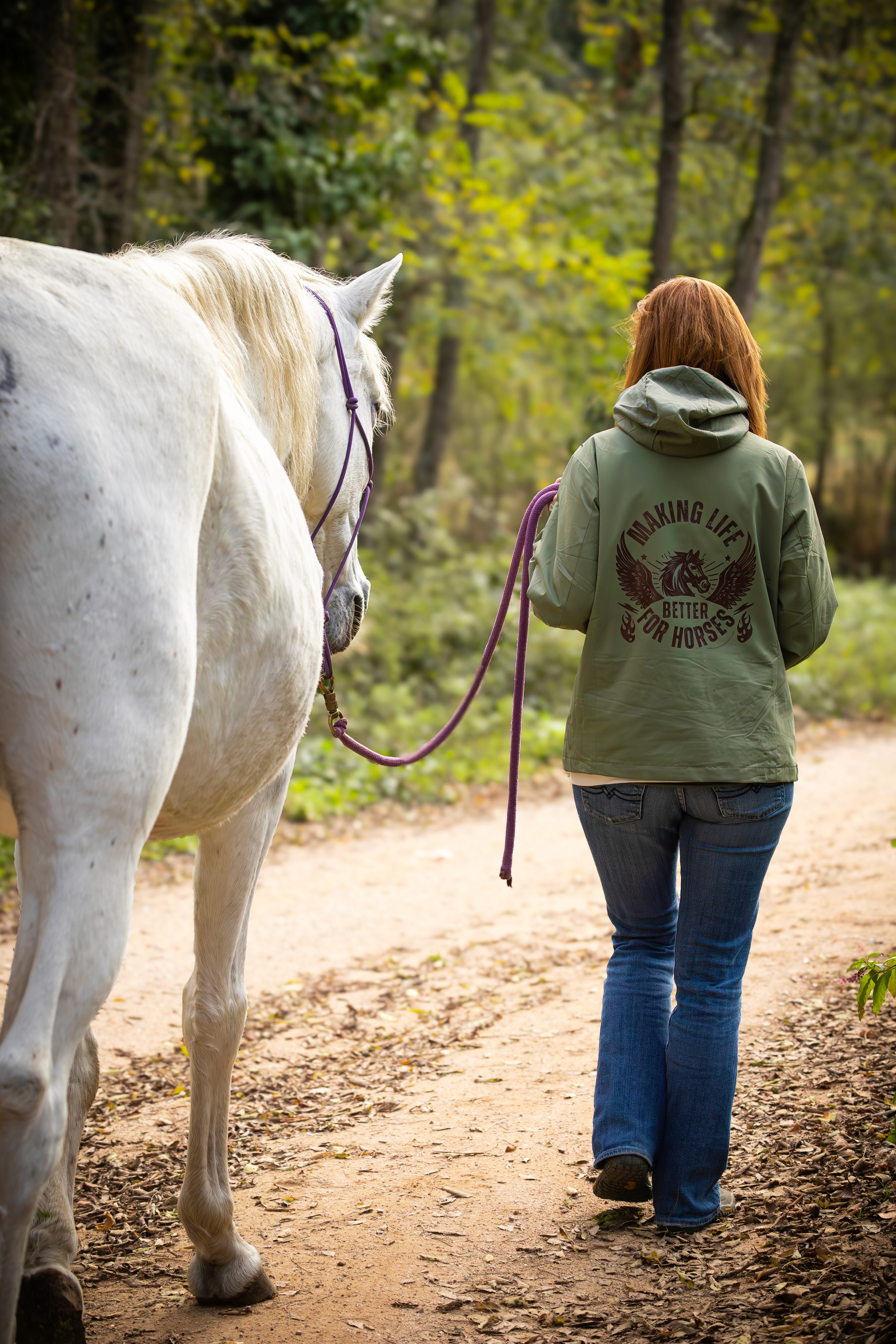
I suggest that if you cannot have your horse living in semi-freedom with access to wild pasture, you can take it to graze along the edges of the paths around your equestrian centre, or take it for walks through the countryside and woods to give it access to medicinal plants, what I call practising “Foresting with horses.”
LOVES THAT KILL
A few years ago, I wrote an article for another magazine titled: Loves That Kill. I was referring to the well-intentioned path of love we walk as those who care for and own animals, where in our eagerness to look after them as best as possible, we sin by exceeding these cares when they are based on chemicals. A good owner or professional must set and manage these substances to be considered as such. In that well-intentioned sentiment, we act overly and subject the animal to a process of chronic suffering for the being we claim to love so much. Our relationship with our horses becomes toxic, literally. And when a Royal Decree is issued seeking strict control of the toxic substances we use addictively, we go mad because they take our drugs away, literally.
THE TREND TOWARDS THE NATURAL
Wow! It's strong to read these lines while I write this and understand the severity of the problem. However, despite presenting a scenario that can shake some consciences, provoke some reactions of rejection, there is still a good solution to all this. There is a path towards Integrative Medicine that proposes a holistic approach to caring for our horses. The TAO, the middle way, moderation has always been the wisest path. Finding the middle ground in our ways of acting can be a good solution. Allowing veterinary remedies with plants, Homeopathy, and other valid and effective medicines and techniques is the future.
Neither so much chemistry, nor so much dogma. It's possible to stop depending on drugs to the extent we do now. It is precisely those remedies, methods, and medicines that we left behind that regain relevance in this moment of crisis and chaos. It's possible to treat common ailments with plants, homeopathic remedies, and traditional recipes. Natural medicine takes the stage in this theatre which until recently was dominated by pharmaceuticals, universities, and veterinary colleges. The urgency to look again in this direction is put back on the table to encourage people to take the reins of the health and feeding of their horses. We must encourage our veterinarians to choose Integrative Medicine and to train in other modalities.
There is already a generation of pioneering veterinarians who have paved the way and give voice and experience to a health system that considers caring for the microbiota as a first priority, reducing the use of substances that destroy it. The horse's microbiome is its first line of defence, forming a large part of its immune system. As a second priority, training in phytotherapy, homeopathy, and some other natural medicines is essential so that therapists, users, and veterinarians can work together and move away from chemicals as much as possible. Only then can we curb the escalation of resistance and the spiral of symptoms that arise from a period of abuse of these toxic substances. Biologically appropriate feeding for the equine species; that is, a natural diet as close as possible to its nature as a large herbivore has to be considered the best measure to strengthen its immune system. To this end, horses need access to bioavailable nutrients so that their system can absorb them. A horse fed a biologically appropriate diet will be a healthy and balanced animal. It will need little veterinary intervention because its system will be more capable of achieving homeostasis.
This highlights the need to steer away from synthetic products manufactured in laboratories and processed in extrusion plants. Commercial feed companies have already begun to discover elements in their products that cause inflammation and are developing new formulas with more suitable ingredients for the horse's digestive system that favour the microbiota and include plants with medicinal properties.
FROM PASTURE TO MANGER: Put their medicine in their feed
In the years I've been observing horses eat in different environments, I have been able to deduce how horses that live in semi-freedom and have access to wild pastures always boast better health than those living in stables or confined paddocks. Rare are the cases of colic, allergies, asthma, lameness enjoying long years of well-being. Undoubtedly, sedentary life with synthetic feeding undermines the health of those born to graze on the great plains. Observing horses eat for over 25 years, I have no doubt that the plants they have access to in wild pastures contribute with their medicinal properties to maintaining that permanent state of health. They don't catch colds, don't suffer from parasite infestations, don't have colics, don't have asthma, Cushing's, or EMS, or laminitis. Their companions in riding centres, however, suffer from everything and constantly require veterinary assistance, treatments, and deworming. In these centres, behavioural problems and colics are the order of the day; when they reach a certain age, inflammations and metabolic problems appear. They are considered old at the age of 16-18 years.
What is missing in these places where they are cared for so much more than when they roam freely?
In the three projects managed by Horse Life Experience where horses are kept in different models of rotational grazing management with a regenerative key in wild pastures (not cultivated or sown), the experience has led me to understand that horses practice pharmacognosy, the ability to know the properties of plants and resort to one or another to prevent and treat themselves with these. Over the years, working to spread this empirical knowledge, I have written books and articles, and through the Trifolium Foundation and Horse Life Experience, we organise activities and training to disseminate and share this experience with therapists, veterinarians, and individual users for the benefit of horses and companion animals in general. Having turned the horse into a domestic animal, our responsibility lies in trying to give it the best living conditions so that it can be healthy and enjoy its life with us. It is not enough just to give it 'something' to eat and take it out for exercise. This is a very limited view of true well-being. We know today that 80% of horses suffer from gastric ulcers among other digestive inflammations that cause them discomfort. In my opinion, this cannot be accepted and resolved with pharmaceuticals. It requires a lifestyle change and reinventing the feeding so that their system does not burn its own gut lining and a veterinary care model that includes the use of medicinal plants and natural therapies.
I would suggest that if you cannot have your horse living in semi-freedom with access to wild pasture, you can take it to graze by the roadside around your equestrian centre, or take it for walks in the countryside and forest to give it access to medicinal plants, which I call practising 'Forestry with horses.'
On these outings, your horse will be able to recognise plants that are beneficial for their digestion, such as Dandelion, which can support their immune system like Plantain and thyme, or deworm with heather, oaks, and acorns. Another option is to use plant mixes already prepared by companies, so you can give them as supplements like Hilton Herbs or Equine America, or you can choose to make dry mixes yourself according to your knowledge of the properties of different plants.*
You can also collect branches from trees like poplar, hackberry, walnut, pine, willow, and oak, so in addition to nibbling, they'll find a true pharmacopeia in their environment. All these trees have hypoglycemic, anti-inflammatory, vermifuge, and antioxidant properties. If you're scared to use them directly, introduce them
in small amounts first to see how they tolerate them. A horse that does not usually have access to anything fresh and natural may initially show some sensitivity. You can also opt to bring the pasture to their space in different ways, and you will find ground pasture products mixed with digestive herbs like Glyx Wiese (ground) or Pre Alpin
Wiesen Cobs (wild meadow grass cubes), both from the house of St Hippolyt. Both products are free of molasses, cereals, and cereal byproduct flours.
PLANT MEDICINE
In my quest to improve the lives of animals, I began my career discovering the fascinating world of plants. I have already mentioned in a previous article how horses taught me a lot about the properties of plants, and little by little I gathered an extraordinary apothecary of those that benefit horses the most (I made a similar journey for dogs and cats simultaneously). In these years of research, I have tested many plants with them to today endorse what ancient texts such as the Shenong Ben Cao Jing, Dioscorides Revived, Culpeper's Complete Herbal and the medical writings of Paracelsus that inspired Rudolph Steiner, Dr. Hannemann, and Dr. Edward Bach respectively, or classic and rare gems like the Popular Treatise of Medicinal Plants by Wifredo Boue and modern encyclopedias and books by contemporary Anglo-Saxon therapists and veterinarians proclaim. Many studies have been conducted today to demonstrate the wonderful abilities of plants to restore or maintain health in humans and animals. From these studies, we have been able to discover which are the phytochemicals and active principles that endow plants with anti-inflammatory, antioxidant, carminative, emmenagogue, apoptotic, antiangiogenic, etc. properties. This discovery has led to a normalized resurgence in the use of commercial products made with plant extracts for humans and animals. In Spain, its use in animals is just beginning to emerge, and it is usually foreign companies that market their products.
In horses, the use of devil's claw extracts is accepted as a great remedy for osteoarticular inflammations, Vitex (Agnus Castus) to reduce the progression of Cushing's Syndrome due to its ability to regulate the hormonal system and pituitary inflammation. Menthol, camphor, and rosemary in clay poultices to reduce tendon swelling after a strenuous training or competition. However, there is still a long way to go to acknowledge that countless plants can be used to help horses without having to rely on conventional pharmacy to care for or treat them. And so we reach the goal of this article, which is to introduce you to the plants that have the capacity to act as true antibiotics due to their antimicrobial properties.
THE ANTIBIOTICS OF NATURE
Given that we will have to be much more cautious in the use of antimicrobial drugs to help curb the resistance of antibiotics that we need to preserve in case of complicated and severe infections, the use of plants with antiseptic and antibacterial properties is once again on the table. It may not seem relevant, but some plants have demonstrated a high level of effectiveness that was not previously believed. I begin with Oregano and Thyme, which are aromatic plants with potent essential oils that grow in fields and borders throughout the Iberian Peninsula so you can realise the treasure we have in some of the most common and humble plants that we consider simple aromatic herbs used for cooking or making soaps that smell good. Both contain different levels of two types of phenols with potent antimicrobial, antifungal, and antiseptic activity: carvacrol and thymol. Numerous studies have been conducted to verify this capacity and the level of potency they can have compared to pharmaceutical antibiotics. In one of these studies, the antibacterial activity of oregano was compared to amoxicillin, one of the broad-spectrum antibiotics possessed by modern pharmacology which has recently shown bacterial resistance that previously combated this favourite of modern pharmacopeia. Favourite, I say, because it is one of the least adverse reaction drugs in patients. In this study, oregano showed a higher capacity than the chemical antibiotic (repositorio.unjbg.edu.pe). A recent study shows that at concentrations of 20% or more, oregano is effective against gram-positive bacteria such as Staphylococcus aureus and Bacillus cereus, and gram-negative ones like Escherichia coli, Salmonella typhimurium, and Vibrio cholerae, with Streptococcus mutans being a gram-positive bacteria. Another study shows that at concentrations of just 3%, oregano has antibacterial capability (scielo.cl and academica-e.unavarra.es). What seems even more interesting about plants with antibacterial capabilities is that they do not create resistance in the bacteria, fungi, viruses, and parasites they can destroy. This gives them a place of reference against the situation looming with the increasing resistance of conventional antimicrobials. The utilisation of plants as effective antibacterials and antifungals, without extending their antiviral and antiparasitic capabilities, is becoming prioritized in the scientific environment to discover their utility against highly resistant bacteria like those emerging in hospitals that often require more aggressive and toxic treatments.
The essential oils that many plants contain in different proportions contain phytochemical substances with anti-infective properties (phytoncides) such as phenols, terpenes, monoterpenols, and oxides, all capable of selectively destroying bacteria, fungi, and parasites.
Horses know how to recognise these substances in plants and approach them to receive a very specific quantity of these when needed. In my observations, I have seen numerous times how horses will ignore aromatic plants in general, until a certain time of year when they start nibbling them, and they will do so at the same time every year.
At the same time, they may peck at a thyme, a rosemary, or sage, presumably for a specific purpose, such as relieving discomfort or an infection. This is known as zoopharmacognosy. While your horse possesses this ability or can develop it, you can assist your horse by using medicinal plants preventively and/or curatively.
YOU CAN USE MEDICINAL PLANTS IN YOUR HORSES TO REDUCE THE USE OF CHEMICALS AS A VETERINARIAN, THERAPIST, OR PRIVATE USER:
There is a first-aid kit that we can have at hand to prevent and treat many common ailments in horses without needing to resort to antibiotics. Below, I reveal the plants that horses can take orally to improve flatulence, intestinal inflammations, stomach ulcers, diarrhoea, and others that can be used topically to heal wounds, eczema, bites, cracks, and eye irritations.
GARLIC- One of the most potent antimicrobial plants in Nature. It is used orally as an immune stimulant, antioxidant, expectorant, antibiotic, antifungal, antiviral. Its active ingredient is allicin, which exhibits a broad spectrum of antibacterial activity against gram-negative and gram-positive bacteria such as Salmonella, Escherichia coli, Staphylococcus, Streptococcus, Klebsiella, Proteus, Bacillus, Clostridium, and Mycobacterium tuberculosis.
ALOE VERA- Among other nutritious, antioxidant, and anti-inflammatory properties, Aloe possesses several antimicrobial active principles. It is known as the plant par excellence for healing wounds. Its antibiotic activity is attributed to the saponins and polysaccharides that protect the skin and mucosa. It also contains peptides and glycoproteins that have a clear antibacterial and antifungal action. In the search for new proteins with antimicrobial activity, Aloe Vera is being studied to develop drugs that do not show resistance to some fungi and bacteria that do not respond to third-generation drugs.
EUCALYPTUS- Eucalyptus helps decongest the lungs and facilitates mucus expulsion thanks to its menthol aroma, positioning itself as a very effective natural remedy for treating common respiratory conditions like colds, bronchitis, or sinusitis. Its composition has active components such as Cineole, α and β-pinene, and limonene, which have antibacterial and antiviral properties.
LAVENDER- The antibacterial and antiseptic properties of Lavender have been well known since ancient times; however, until recently, few studies demonstrated how essential oils work. Today it has been shown that it can affect the membrane of bacterial cells through oxidative stress, even bacteria that are highly resistant to the newest last-resort antibiotics. It is a popular biocide that also repels insects. These properties confer the essential oils of plants like lavender with very interesting and effective antimicrobial capabilities since they do not create resistance in bacteria.
NIHAULI- Like Eucalyptus and Lavender, the essential oil of Nihouli contains important bactericidal substances. Therefore, it is attributed with properties that make it an anti-infectious agent, antibacterial, antifungal, antiviral, and antiparasitic. It is also credited with febrifuge, anticatarrhal, expectorant, balsamic, anti-inflammatory, antihypertensive, venous decongestant activities, and as a hormonal regulator. Quite something.
APPLE- (the fruit and unpasteurised apple cider vinegar with the Mother)- Horses love apples and they can be a treat with medicinal properties. Apples should be organic and low-sugar varieties to truly have a therapeutic effect. In its presentation as vinegar, unpasteurised and with the mother, apple provides a well-known antiseptic at a popular level. It has always been used for cleaning in homes as a disinfectant and anti-calcium agent, but internally, it is a potent antiseptic, regulating the pH of the skin and mucosa, with the consequence that in a neutral pH environment, microbes do not proliferate. It gives shine to the coat, repels insects, and reduces inflammation and disinfects insect bites (culicoides). The enzymes and minerals that come from the mother and the microorganisms of fermentation make it an interesting nutritional supplement, balancing the proportions between salts and minerals, which is why it is also an isotonic element that prevents dehydration. Another gem of nature.
HONEY AND PROPOLIS- The antiseptic and nutritional properties of honey-derived products are well known. Directly applied to sores or wounds, honey prevents the development of pathogenic bacteria. A poultice made with honey and sugar applied to wounds protects from infections. Propolis, on the other hand, is the medicine created by bees themselves with tree and plant resins. The turpentines found in the propolis tinctures are antiseptic, antimicrobial, antifungal, anti-inflammatory, and antioxidant. Bees use this element to deal with infections from parasites and bacteria that enter the hives and can affect the health of the community. Mixed with green clay, it can be an interesting poultice for inflammations, abscesses, infections, fungi, etc.
OREGANO- Due to recent studies, it has been demonstrated as one of the most effective antibiotics against bacteria that are nowadays highly resistant to different types of antibiotics. Salmonella, E.Coli, Staphylococcus, and Streptococcus bacteria are very common pathogens that can wreak havoc on the health of our horses. Its essential oil has been compared with the popular broad-spectrum antibiotic known as amoxicillin (Clamoxyl) and has proven to be equal or more effective against different bacteria. Once again, the active principles of plants do not create resistances like chemical substances do, so they do not lose effectiveness, finally granting them a place of importance in modern pharmacy.
THYME- This small plant, which seems insignificant and is abundant in the wild territories of the Iberian Peninsula, is another of the most potent antimicrobials and vermifuges available. For respiratory and urinary infections, it is the king. Used consistently, it can eliminate recurrent, chronic, and difficult-to-treat infections. But it must be taken three times a day for several weeks, as if it were a drug. Because it is. In infusion or dried leaf added to the horse's supplement, it will also disinfect the mouth and any intestinal inflammation that causes seasonal diarrhoea.
FOR WOUNDS AND SORES- Clean the wound with gauze moistened with thyme infusion, for deep wounds make this infusion with physiological saline and wash them by injecting the wound with a syringe. Be very consistent. 3-4 times daily. Then, to help healing, use a honey poultice or a poultice with green clay mixed with a few drops of propolis tincture. The virtues of plants like those I've described should not be undermined. They have been known since time immemorial and have been used throughout history for millennia. Only in recent decades were they abandoned in favour of chemical drugs that seemed more effective and quick. However, there is now a growing trend to recover the wisdom of ancient treaties to return to using the medicines Nature offers us.
This trend is becoming a necessity, even an urgency, because the chemistry is generating a legacy of contamination, resistance, and side effects that can no longer be overlooked.
I hope all this information has been useful to help you understand better how to support the health and well-being of your horse through the knowledge of plants and ancestral wisdom.
🌱 If you have any doubts or want to share your experience, we would be delighted to read you.
A BIG HUG!!
GEMMA KNOWLES
In these walks, your horse will be able to recognise plants that are beneficial for its digestive system, such as Dandelion, which can support its immune system like Plantain and Thyme, or deworm with Heather, Oak trees, and Acorns. Another option is to resort to plant mixes already prepared by companies so you can give them in their supplement, such as Hilton Herbs or Equine America, or you can choose to make dry mixes yourself according to your knowledge of the properties of different plants.*
You can also go collect tree branches, such as those from Poplar, Celtis, Walnut, Pine, Willow, and Oak, so that in addition to seeing them nibbling, they will find an authentic pharmacopeia in their space. All these trees have hypoglycemic, anti-inflammatory, vermifuge, and antioxidant properties. If you're afraid to use them this way, introduce them in
small amounts first to see how they tolerate them. A horse that doesn't have access to anything fresh and natural regularly may initially show some sensitivity. You can also choose to bring the meadow to its space in different ways and you'll find crushed pasture products mixed with digestive plants like Glyx Wiese (crushed) or Pre Alpin
Wiesen Cobs (wild meadow grass pellets), both by St Hippolyt. Both products are free from molasses, grains, and cereal by-product flours.
PLANT MEDICINE
In my endeavor to improve the lives of animals, I started my career discovering the fascinating world of plants. I already mentioned in a previous article how horses taught me a lot about the properties of plants, and little by little, I gathered an extraordinary apothecary of those most beneficial for horses (I followed a similar path for dogs and cats in parallel). In these years of research, I've tested many plants with them to be able to vouch today for what ancient treatises like Shenong Ben Cao Jing, Dioscorides's Renewed, Culpeper's Complete Herbal, and Paracelsus's medical treatises proclaimed, inspiring Rudolph Steiner, Dr. Hannemann, and Dr. Edward Bach respectively, as well as classic and rare gems like Wifredo Boue's Popular Treatise of Medicinal Plants and modern encyclopaedias and books by current anglosaxon therapists and veterinarians. Today, many studies have been conducted to demonstrate the wonderful abilities of plants to restore or maintain health in humans and animals. From these studies, we have been able to discover which phytochemicals and active principles provide plants with anti-inflammatory, antioxidant, carminative, haemostatic, apoptotic, antiangiogenic properties, etc. This has allowed a normalised use to re-emerge in humans and animals of commercial products made with plant extracts. In Spain, their use in animals is only just beginning to show its head, and foreign companies typically market their products.
In horses, the use of extracts of Devil's Claw is accepted as a great remedy for osteoarticular inflammations, Vitex (Agnus Casta) to reduce the advancement of Cushing's Syndrome due to its ability to regulate the hormonal system and pituitary inflammation. Menthol, camphor, and rosemary in clay poultices are used to reduce inflammation in tendons after hard training or competition. Nevertheless, there is still a long way to go to recognise that a multitude of plants can be used to help horses and not have to rely on conventional pharmacy to care for or treat them. And so, we come to the goal of this article, which is to introduce you to the plants that have the ability to act as true antibiotics due to their antimicrobial properties.
NATURE'S ANTIBIOTICS
Given that we are going to have to be much more cautious in the use of antimicrobial drugs to help prevent antibiotic resistance, which we need to preserve for complicated and severe infections, the use of plants with antiseptic and antibacterial properties is being put back on the table. Perhaps it doesn't seem relevant, but some plants have shown a high level of effectiveness that wasn't previously believed. I start with Oregano and Thyme, which are aromatic plants with powerful essential oils that grow in the fields and edges of the entire Iberian Peninsula to make you aware of the treasure we have in some of the most common and humble plants that we consider simple aromatic herbs for cooking or making nice-smelling soaps. Both contain different levels of two types of phenols with potent antimicrobial, antifungal, and antiseptic activity: carvacrol and thymol. Numerous studies have been conducted to verify this capacity and the level of potency they can have compared to pharmaceutical antibiotics. In one of these studies, the antibacterial activity of oregano was compared to amoxicillin, one of the broad-spectrum antibiotics that modern pharmacology has to offer, which recently shows resistance to bacteria that were previously combated with this modern pharmacopeia favourite. Favourite, I say, because it is one of those with the least adverse reactions in patients. In this study, oregano showed a higher capacity than the chemical antibiotic (repositorio.unjbg.edu.pe). A recent study demonstrates that at concentrations of 20% or more, oregano is effective against gram-positive bacteria such as Staphylococcus aureus and Bacillus cereus, and gram-negative ones like Escherichia coli, Salmonella typhimurium, and Vibrio cholerae; with Streptococcus mutans being a gram-positive bacterium. Another shows that at concentrations of just 3%, oregano has antibacterial capacity (scielo.cl and academica-e.unavarra.es). What's more interesting about plants with antibacterial capacity is that they don't create resistance in the bacteria, fungi, viruses, and parasites they can destroy. This gives them a reference place against the impending situation with the growing resistance of conventional antimicrobials. The utilisation of plants as effective antibacterials and antifungals, without delving into their antiviral and antiparasitic capabilities, is being put in order in the scientific environment to discover their utility against highly resistant bacteria like those arising in hospitals, which often require more aggressive and toxic treatments.
Essential oils that many plants possess in varying proportions contain phytochemical substances with anti-infectious properties (phytoncides) such as phenols, terpenes, monoterpenols, and oxides, all capable of selectively destroying bacteria, fungi, and parasites.
Horses can recognise these substances in plants and approach them to receive a very specific amount of these when needed. In my observations, I have seen on numerous occasions how horses will ignore aromatic plants in general, until at a certain time of the year they start nibbling on them, and they will do so each year at the same time.
At the same time, they may peck at thyme, rosemary, or sage on occasion, surely for a specific purpose, such as relieving discomfort or an infection. This is called zoopharmacognosy. While your horse possesses this ability or can develop it, you can help your horse by using medicinal plants preventively and/or curatively.
YOU CAN USE MEDICINAL PLANTS IN YOUR HORSES TO REDUCE THE USE OF CHEMICALS AS VETERINARIAN, THERAPIST, OR PRIVATE USER:
There is a first aid kit we can have at hand to prevent and treat many common ailments in horses without having to resort to antibiotics. Below, I reveal the plants that horses can take orally to improve flatulence, intestinal inflammations, stomach ulcers, diarrhoea, and others that can be used topically to heal wounds, eczema, stings, cracks, and eye irritations.
GARLIC - One of the most potent antimicrobial plants in Nature. It is used orally as an immune stimulant, antioxidant, expectorant, antibiotic, antifungal, antiviral. Its active principle is allicin, which exhibits a broad spectrum of antibacterial activity against gram-negative and gram-positive bacteria such as Salmonella, Escherichia coli, Staphylococcus, Streptococcus, Klebsiella, Proteus, Bacillus, Clostridium, and Mycobacterium tuberculosis.
ALOE VERA - Among other nutritional, antioxidant, and anti-inflammatory properties, Aloe has several antimicrobial active principles. It is known as the healing plant par excellence. Its antibiotic activity is granted by saponins and polysaccharides that protect the skin and mucosa. It also contains peptides and glycoproteins that have a clear antibacterial and antifungal action. In the search for new proteins with antimicrobial activity, Aloe Vera is being studied to develop drugs that don't show resistance to some fungi and bacteria that don't respond to third-generation drugs.
EUCALYPTUS - Eucalyptus helps decongest the lungs and favours mucus expulsion thanks to its menthol aroma, positioning itself as a very effective natural remedy for treating common respiratory conditions such as colds, bronchitis, or sinusitis. Its composition has active components such as Cineol, α and β-pinene, and limonene, which have antibacterial and antiviral properties.
LAVENDER - The antibacterial and antiseptic properties of Lavender are well known since ancient times; however, until recently, there weren't many studies demonstrating how essential oils work. Today it has been shown that it can affect the membrane of bacterial cells through oxidative stress, even bacteria highly resistant to the most novel last-resort antibiotics. It's a popular biocide that also repels insects. These properties give essential oils from plants like lavender a very interesting and effective antimicrobial capacity since they don't create resistance in bacteria.
NIHAULI - Like Eucalyptus and Lavender, the essential oil of Niháuli contains important bactericidal substances. Therefore, it is attributed properties that make it an anti-infectious, antibacterial, antifungal, antiviral, and antiparasitic agent. It is also endowed with febrifuge, anticatarrhal, expectorant, balsamic, anti-inflammatory, antihypertensive, venous decongestant, and hormonal regulator activities. Quite something.
APPLE - (the fruit and unpasteurized apple cider vinegar with The Mother) - horses love apples, and they can be a reward with medicinal properties. Apples must be organic and low-sweetness varieties to truly have a therapeutic effect. In its presentation as unpasteurized vinegar with the mother, apple provides a well-known antiseptic at a popular level. It has always been used for cleaning in homes as a disinfectant and descaling agent, but internally it is a powerful antiseptic, regulates the pH of the skin and mucosa with the result that in a neutral pH environment, microbes don't proliferate. It gives shine to the coat, repels insects, soothes, and disinfects insect bites (culicoids). The enzymes and minerals that come from the mother and the microorganisms of fermentation make it an interesting nutritional supplement, balancing the proportions between salts and minerals, making it also an isotonic element that prevents dehydration. Another jewel of nature.
HONEY AND PROPOLIS - The antiseptic and nutritional properties of honey-derived products are well known. Directly applied to sores or wounds, honey prevents the development of pathogenic bacteria. A poultice made with honey and sugar applied to wounds protects against infections. Propolis, on the other hand, is the medicine that the bees themselves create with tree and plant resins. The trementines found in propolis tinctures are antiseptic, antimicrobial, antifungal, anti-inflammatory, and antioxidant. Bees use this element to treat themselves against parasite and bacterial infections that enter the hives and can affect the health of the community. Mixed with green clay, it can be an interesting poultice for inflammations, abscesses, infections, fungi, etc.
OREGANO - Due to recent studies, it has been shown to be one of the most effective antibiotics against bacteria that today are very resistant to different types of antibiotics. Bacteria such as Salmonella, E. Coli, Staphylococcus, and Streptococcus are very common bacteria that can wreak havoc on the health of our horses. Its essential oil has been compared to the broad-spectrum popular antibiotic known as amoxicillin (Clamoxyl), proving to be equally or more effective against various bacteria. Once again, the active principles of plants don't create resistances as chemical substances do, so they don't lose effectiveness and are finally being given an important place in modern pharmacy.
THYME - This small plant that seems insignificant and abounds in the wild territories of the entire Iberian Peninsula is another of the most potent antimicrobials and vermifuges available. For respiratory and urinary infections, it is the king. By using it consistently, it can eliminate recurrent, chronic, and difficult-to-treat infections. However, it must be taken three times a day for several weeks. As if it were a drug. Because it is. In infusion or dried leaf added to the horse's supplement will also disinfect the mouth, and any intestinal inflammation causing seasonal diarrhoea.
FOR WOUNDS AND SORES - Clean the wound with gauze moistened with thyme infusion; for deep ones, make this infusion with physiological serum and wash the wound by injecting it with a syringe. Be very consistent. 3-4 times a day. Then, to help heal, use a honey poultice or poultice with green clay mixed with a few drops of propolis tincture. The virtues of plants like those I've described should not be undermined. They have been known since time immemorial and have been used throughout history for millennia. Only in recent decades have they fallen out of use in favor of chemical medicines that seemed more effective and faster. However, there is a growing trend to recover the wisdom of ancient treatises to return to using the medicines that Nature offers us.
This trend is becoming a necessity, even an urgency. Because chemicals are creating a burden of pollution, contamination, resistance, and side effects that can no longer be ignored.
I hope all this information has been useful for you to better understand how to support your horse's health and well-being through knowledge of plants and ancestral wisdom.
🌱 If you have any questions or want to share your experience, we would be delighted to read you.
A BIG HUG!!
GEMMA KNOWLES
During these walks, your horse will be able to recognise plants that are beneficial at a digestive level such as Dandelion, which can support their immune system like Plantain and Thyme, or deworm with Heather, Oaks, and Acorns. Another option is to use plant blends that companies have already prepared so you can give them as a supplement like Hilton Herbs or Equine America, or you can choose to create dry mixes yourself according to your knowledge of the properties of different plants.*
You can also go pick branches from trees such as Poplar, Celtis, Walnut, Pine, Willow, and Oak so that besides being seen nibbling, they will find a genuine pharmacopoeia in their space. All these trees have hypoglycemic, anti-inflammatory, vermifuge, and antioxidant properties. If you're afraid of using them like this, introduce them in
small quantities first to see how they tolerate them. A horse without regular access to anything fresh and natural might show some sensitivity at first. You can also choose to bring the meadow to their space in different ways, and you'll find crushed grass products mixed with digestive plants such as Glyx Wiese (crushed) or Pre Alpin
Meadow Cobs (wild meadow grass blocks), both from St Hippolyt. Both products are free from molasses, grains, and cereal by-product meals.
PLANT MEDICINE
In my quest to improve the lives of animals, I began my career by discovering the fascinating world of plants. I have already mentioned in a previous article how horses taught me a lot about the properties of plants, and little by little, I gathered an extraordinary herbalist collection of those that benefit horses the most (I followed a similar path for dogs and cats simultaneously). Over these years of research, I have tried many plants with them to now endorse what ancient treaties such as the Shenong Ben Cao Jing, Dioscorides Renewed, Culpeper’s Complete Herbal, and Paracelsus's medical treaties that inspired Rudolph Steiner, Dr. Hannemann, and Dr. Edward Bach respectively, or classic and rare gems like Wilfredo Boué's Popular Treatise on Medicinal Plants and modern encyclopedias and books by contemporary Anglo-Saxon therapists and veterinarians proclaim. Today, many studies have already been carried out to demonstrate the wonderful abilities of plants to restore or maintain health in humans and animals. From these studies, it has been possible to discover which are the phytochemicals and active principles that give plants anti-inflammatory, antioxidant, carminative, hemostatic, apoptotic, anti-angiogenic properties, etc. This has allowed the normalised use of commercial products made with plant extracts to re-emerge in humans and animals. In Spain, their use in animals is only just beginning to show, and they are often foreign companies that market their products.
In horses, the use of Devil's Claw extracts is accepted as a great remedy for osteo-articular inflammations, Vitex (Agnus Castus) to reduce the advance of Cushing's Syndrome due to its ability to regulate the hormonal system and pituitary inflammation. Menthol, camphor, and rosemary in clay poultices to reduce tendon inflammation after arduous training or competition. However, there is still a long way to go to recognise that countless plants can be used to help horses and not have to rely on conventional pharmacology to care for or treat them. And so we come to the goal of this article, which is to introduce you to the plants that have the ability to act as true antibiotics due to their antimicrobial properties.
NATURE'S ANTIBIOTICS
Given that we need to be much more cautious in the use of antimicrobial drugs to help curb the antibiotic resistance that we need to conserve in case of complicated and severe infections, the use of plants with antiseptic and antibacterial properties is back on the table. It may not seem relevant, but some plants have demonstrated a high level of effectiveness that was not previously believed. I'll start with Oregano and Thyme, which are aromatic plants with potent essential oils growing in the fields and borders throughout the Iberian Peninsula, allowing you to realise the treasure we have in some of the most common and humble plants we consider as simple aromatic herbs used in cooking or making well-smelling soaps. Both contain different levels of two types of phenols with potent antimicrobial, antifungal, and antiseptic activity: carvacrol and thymol. Numerous studies have been conducted to verify this capacity and the level of potency they can have compared to pharmaceutical antibiotics. In one of these studies, the antibacterial activity of oregano was compared to amoxicillin, one of the broad-spectrum antibiotics that modern pharmacology possesses, which has recently shown bacterial resistance that was previously fought off with this favourite of modern pharmacopoeia. Favourite, I say, because it is one of those with the least adverse reactions in patients. In this study, oregano showed a higher capacity than the chemical antibiotic (repositorio.unjbg.edu.pe). A recent study demonstrates that from concentrations of 20% or more, oregano is effective against gram-positive bacteria such as Staphylococcus aureus and Bacillus cereus, and gram-negative ones like Escherichia coli, Salmonella typhimurium, and Vibrio cholerae; with Streptococcus mutans being a gram-positive bacterium. Another study demonstrates that in concentrations of just 3%, oregano has antibacterial capacity (scielo.cl and academica-e.unavarra.es). What also seems even more intriguing about plants with antibacterial capability is that they do not create resistance in the bacteria, fungi, viruses, and parasites they can destroy. This gives them a reference place in the face of the situation approaching with the growing resistance of conventional antimicrobials. The use of plants as effective antibacterials and antifungals, without further extending their antiviral and antiparasitic capabilities, is gaining traction in the scientific community to discover their utility against highly resistant bacteria such as those that arise in hospitals, often requiring more aggressive and toxic treatments.
Essential oils that many plants possess in various proportions contain phytochemical substances with anti-infectious properties (phytoncides) such as phenols, terpenes, monoterpenols, and oxides, all capable of selectively destroying bacteria, fungi, and parasites.
Horses know how to recognise these substances in plants and approach them to receive a very specific amount of them when needed. In my observations, I have seen on numerous occasions how horses will ignore aromatic plants in general until at a specific time of year they begin to nibble on them, and they do so each year at the same time.
At the same time, they can occasionally nibble on thyme, rosemary, or sage surely for a specific purpose, like alleviating discomfort or an infection. This is known as zoopharmacognosy. While your horse possesses this ability or may develop it, you can help your horse by using medicinal plants preventively and/or curatively.
YOU CAN USE MEDICINAL PLANTS IN YOUR HORSES TO REDUCE THE USE OF CHEMISTRY AS A VETERINARIAN, THERAPIST, OR PRIVATE USER:
There is an emergency kit we can have at hand to prevent and treat many common ailments in horses without the need to resort to antibiotics. Below, I reveal the plants that horses can take orally to improve flatulence, intestinal inflammations, stomach ulcers, diarrhoea, and others that can be used topically to heal wounds, eczema, bites, scabs, and eye irritations.
GARLIC- One of the most potent antimicrobial plants in Nature. Used orally as an immune stimulant, antioxidant, expectorant, antibiotic, antifungal, antiviral. Its active principle is allicin, which exhibits broad-spectrum antibacterial activity against gram-negative and gram-positive bacteria such as Salmonella, Escherichia coli, Staphylococcus, Streptococcus, Klebsiella, Proteus, Bacillus, Clostridium, and Mycobacterium tuberculosis.
ALOE VERA- Among other nutritional, antioxidant, and anti-inflammatory properties, Aloe has several antimicrobial active principles. It is known as the healing plant par excellence. Its antibiotic activity is provided by saponins and polysaccharides that protect the skin and mucosa. It also contains peptides and glycoproteins that have a clear antibacterial and antifungal action. In the search for new proteins with antimicrobial activity, Aloe Vera is being studied to develop drugs that do not show resistance to some fungi and bacteria that do not respond to third-generation drugs.
EUCALYPTUS- Eucalyptus helps to decongest the lungs and promotes the expulsion of mucus thanks to its menthol aroma, positioning itself as a very effective natural remedy for treating common respiratory ailments such as colds, bronchitis, or sinusitis. Its composition has active components such as Cineole, α and β-pinene, and limonene, which have antibacterial and antiviral properties.
LAVENDER- The antibacterial and antiseptic properties of Lavender have been well known since ancient times, however until recently there were not many studies showing how essential oils work. Today, it has been demonstrated that it can affect bacterial cell membranes through oxidative stress, even of bacteria that are highly resistant to the newest, last-resort antibiotics. It is a popular biocide that also repels insects. These properties grant plants such as lavender essential oils a very intriguing and effective antimicrobial capacity because they do not create resistance in bacteria.
NIHAULI- Like Eucalyptus and Lavender, the essential oil of Niaouli contains important bactericidal substances. Therefore, it is attributed properties that make it an anti-infectious, antibacterial, antifungal, antiviral, and antiparasitic agent. It is also credited with febrifuge, anticatarrhal, expectorant, balsamic, anti-inflammatory, antihypertensive, venous decongestant, and hormonal regulatory activities. Almost nothing.
APPLE- (fruit and unpasteurised apple cider vinegar with "The Mother")- Horses really like apples, and they can be a medicinal treat. Apples must be organic and of less sweet varieties to truly have a therapeutic effect. In its unpasteurised vinegar presentation with the mother, the apple provides a well-known antiseptic at the popular level. It has always been used for cleaning in homes as a disinfectant and descaler agent, but internally, it is a potent antiseptic, regulates the PH of the skin and mucous membranes with the consequence that in a PH-neutral environment, microbes do not proliferate. It enhances coat shine, repels insects, soothes and disinfects insect bites (culicoides). The enzymes and minerals that come from the mother and the microorganisms of the fermentation make it an interesting nutritional supplement balancing the proportions between salts and minerals, therefore also an isotonic element that prevents dehydration. Another gem of nature.
HONEY AND PROPOLIS- The antiseptic and nutritional properties of honey-derived products are well known. Directly applied to sores or wounds, honey prevents pathogenic bacteria from developing. The poultice made with honey and sugar applied to wounds protects from infections. Propolis, on the other hand, is the medicine that bees themselves create using tree and plant resins. The turpentines found in propolis tinctures are antiseptic, antimicrobial, antifungal, anti-inflammatory, and antioxidant. Bees use this element to treat infections from parasites and bacteria that enter hives and can affect the health of the community. Mixed with green clay, it can be an interesting poultice for inflammations, abscesses, infections, fungi, etc.
OREGANO- Due to recent studies, it has been demonstrated to be one of the most effective antibiotics against bacteria that nowadays are very resistant to different types of antibiotics. Salmonella, E. Coli, Staphylococcus, and Streptococcus bacteria are very common bacteria that can wreak havoc on our horses' health. Its essential oil has been compared with the popular broad-spectrum antibiotic known as amoxicillin (Clamoxyl), demonstrating to be as effective or more effective against different bacteria. Once again, the active principles of plants do not create resistances like chemical substances do, so they do not lose effectiveness and are finally being granted a place of importance in modern pharmacology.
THYME- This small plant that seems insignificant and is abundant in the wild territories of the whole Iberian Peninsula is another of the most potent antimicrobials and vermifuges there is. For respiratory and urinary infections, it is the king. Being consistent in its use can eliminate recurrent, chronic, and difficult-to-treat infections. But it must be taken three times a day for several weeks. As if it were a medication. Because it is. In infusion or dry leaf added to the horse's supplement, it will also disinfect the mouth and any intestinal inflammation that causes seasonal diarrhoea.
FOR WOUNDS AND SORES- Clean the wound with gauze soaked with thyme infusion, for those that are deep, make that infusion with physiological saline and wash them by injecting the wound with a syringe. One must be very consistent. 3-4 times a day. Then to help healing, use a poultice of honey or a poultice with green clay mixed with a few drops of propolis tincture. The virtues of plants such as those I've described should not be undermined. They have been known since ancient times and have been used throughout history for millennia. Only in the last few decades have they stopped being used in favour of chemical medicines that seemed more effective and faster. However, recently there is a growing trend to recover the knowledge of ancient treaties to return to using the medicines nature offers.
This trend is becoming a necessity, even urgency. Because the chemistry is generating a burden of pollution, contamination, resistance, and side effects that can no longer be ignored.
I hope all this information has been useful to you to better understand how to support your horse's health and wellbeing through the knowledge of plants and ancestral wisdom.
🌱 If doubts arise or you want to share your experience, we would be delighted to hear from you.
A HUG!!
GEMMA KNOWLES